
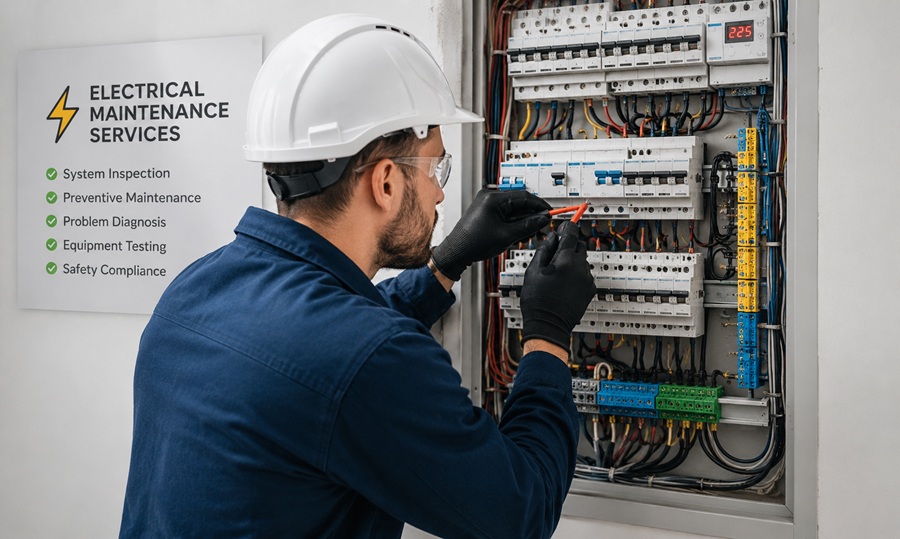
Electrical maintenance services include inspecting your electrical panel, testing outlets and switches, checking wiring for wear, and verifying that circuit breakers trip correctly. Most licensed electricians bundle these checks into a single visit, along with a written report noting any issues that need repair. Costs typically range from $150 to $500 depending on home size and system age. Here’s a full breakdown of what’s covered, how often you need it, and what it costs.
Why Electrical Maintenance Matters
Electrical systems don’t fail all at once. Wiring degrades slowly, connections loosen over years of heating and cooling cycles, and panels accumulate wear that isn’t visible without opening them up. Regular maintenance catches these small issues before they turn into a tripped breaker that won’t reset, a flickering light that signals a loose connection, or in worse cases, an electrical fire.
Homes built more than 20 years ago face higher risk, since older wiring wasn’t designed for the number of devices and appliances most households run today.
What’s Included in a Standard Electrical Maintenance Visit
A typical electrical maintenance service covers several core checks:
- Panel inspection: The electrician opens the panel to check for corrosion, loose connections, and outdated breakers.
- Outlet and switch testing: Every outlet gets tested for proper grounding and voltage, and switches are checked for consistent function.
- GFCI and AFCI testing: Ground fault and arc fault outlets, required in kitchens, bathrooms, and bedrooms in most modern homes, get tested to confirm they trip correctly.
- Wiring inspection: Visible wiring in the attic, basement, or crawl space is checked for fraying, rodent damage, or improper connections.
- Smoke detector and surge protection check: Many electricians will also verify smoke detectors are wired correctly and assess whether whole-home surge protection makes sense.
How Often Should You Schedule Electrical Maintenance?
Most electricians recommend a full electrical inspection every three to five years for homes under 20 years old, and annually for older homes or homes that have had previous electrical issues. If you’re buying or selling a home, an inspection is typically done as part of the closing process regardless of the home’s age.
Homes with older wiring types, like aluminum wiring common in homes built in the 1960s and 70s, benefit from more frequent checks since that wiring is more prone to loose connections over time.
Electrical Maintenance Cost by Service Type
| Service | Typical Cost Range |
| Basic panel and outlet inspection | $150 – $250 |
| Full home electrical inspection | $200 – $500 |
| GFCI/AFCI outlet testing add-on | $50 – $100 |
| Whole-home surge protector install | $300 – $600 |
| Panel upgrade (if needed after inspection) | $1,500 – $4,500 |
Prices vary by region and home size, and older homes with harder-to-access wiring often cost more to inspect thoroughly.
Signs You Need Electrical Service Now, Not Later
Some warning signs mean you shouldn’t wait for a scheduled maintenance visit. Flickering lights across multiple rooms, warm or discolored outlets, a burning smell near the panel, or breakers that trip repeatedly are all signals that something needs attention immediately. These issues can indicate overloaded circuits or failing components that pose a fire risk.
If you notice any of these signs, contact a licensed electrician right away rather than waiting for your next scheduled inspection.
Preventive Maintenance vs. Repair: What’s the Difference?
Preventive maintenance is scheduled and proactive. An electrician checks your system on a regular basis to catch problems early, before anything actually breaks. Repair work, by contrast, happens after something has already gone wrong, like a dead outlet or a breaker that won’t reset.
Preventive maintenance almost always costs less over time than repair, since catching a loose connection during an inspection is far cheaper than dealing with the damage caused by that connection failing later.
Can You Do Electrical Maintenance Yourself?
Some basic checks are safe for homeowners to do without an electrician: testing GFCI outlets using the built-in test button, checking that smoke detectors have working batteries, and visually inspecting outlets for discoloration or a burning smell. Anything involving the electrical panel, wiring behind walls, or breaker replacement should be left to a licensed professional, since incorrect work here creates serious safety risks and can violate local code requirements.
Choosing a Licensed Electrician for Maintenance Services
Look for an electrician who is licensed in your state, carries liability insurance, and provides a written inspection report rather than just a verbal summary. Ask whether the report includes photos of any issues found, since this makes it easier to prioritize repairs and get comparison quotes if needed. Reading recent reviews focused specifically on maintenance and inspection work, rather than only installation jobs, gives a better sense of how thorough their process is.
Commercial vs. Residential Electrical Maintenance
Commercial electrical maintenance typically involves more frequent inspections than residential service, since commercial buildings often run higher electrical loads and face stricter code and insurance requirements. Many commercial properties schedule quarterly or semi-annual inspections rather than the multi-year intervals common for residential homes, particularly for properties with significant equipment, server rooms, or industrial machinery. Insurance providers sometimes require documented maintenance records for commercial properties, which is another reason commercial maintenance contracts tend to be more structured than a one-time residential inspection.
If you own a small business or rental property, ask your insurance provider whether they require a specific maintenance schedule, since some policies include discounts for documented preventive electrical maintenance.
What Happens During a Panel Upgrade Recommendation
If your electrical maintenance inspection reveals that your panel is outdated, undersized for your home’s current electrical load, or still using older technology like fuses instead of breakers, the electrician will typically recommend a panel upgrade. This is common in homes with panels rated below 100 amps, which struggle to support modern appliances, electric vehicle chargers, and central air conditioning without frequent breaker trips.
A panel upgrade is a bigger investment than routine maintenance, but it’s often recommended as a safety priority rather than a cosmetic one, since an overloaded or outdated panel is one of the more common causes of electrical fires in older homes. Most electricians will walk you through financing or phased options if a full upgrade isn’t immediately affordable, prioritizing the most urgent safety fixes first.
Frequently Asked Questions
How much does a full electrical inspection cost?
A full home electrical inspection typically runs between $200 and $500, depending on the home’s size and the age of the electrical system.
How often should electrical maintenance be scheduled?
Homes under 20 years old generally need a full inspection every three to five years, while older homes or those with a history of electrical issues benefit from annual checks.
What’s the difference between electrical maintenance and an electrical repair?
Maintenance is scheduled and preventive, aimed at catching issues early, while repair addresses something that has already failed or stopped working.
Do I need an electrician for a home inspection when buying a house?
Most standard home inspections include a basic electrical check, but a dedicated electrician’s inspection provides a more detailed assessment of the panel, wiring condition, and code compliance.