
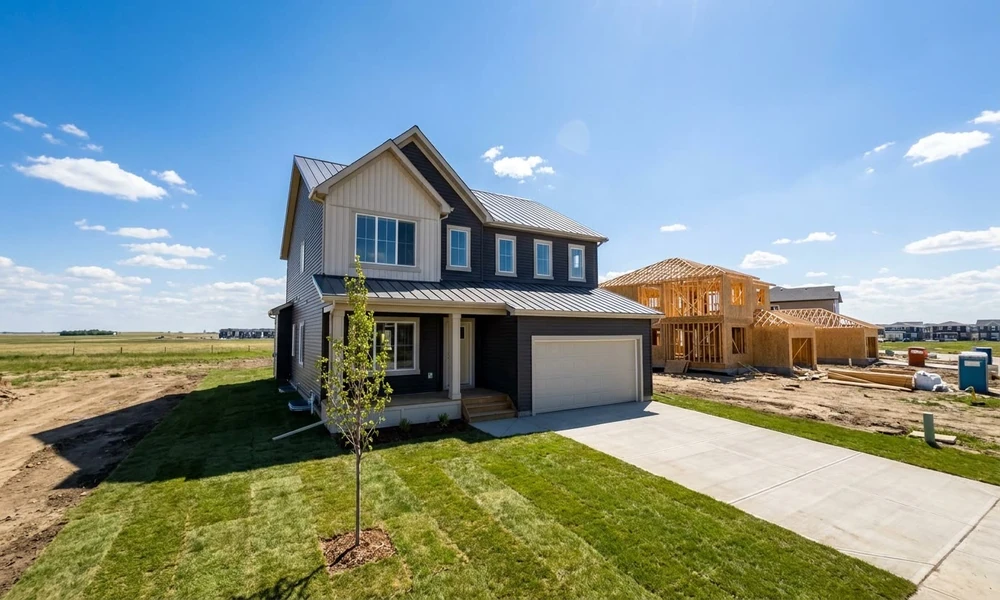
Building a home that appeals to modern buyers requires a careful balance between quality, attractive design, and affordability. Buyers want comfortable spaces, durable materials, and features that support everyday life, but they also need properties that fit their budgets. For builders developing spec homes, achieving this balance is especially important because the finished property must appeal to potential buyers whose individual preferences are not known in advance.
Spec homes are built based on anticipated market demand rather than a contract with a specific buyer from the beginning. Builders choose the location, layout, materials, and finishes with the intended market in mind. Thoughtful planning can help them create homes that look appealing, function well, and remain financially viable.
Start With a Realistic Budget
Budget planning should begin before the builder finalizes the design. The project budget needs to account for land, permits, design services, materials, labor, utilities, insurance, financing, marketing, and selling expenses.
A realistic budget helps builders determine the appropriate home size, construction specifications, and level of finish. Without clear financial limits, it can be tempting to add expensive features that increase the selling price without delivering equivalent value to buyers.
Builders should also include a contingency allowance for unexpected expenses. Site conditions, labor availability, material costs, and construction delays can affect the final cost. Planning for these possibilities reduces the risk of a project becoming financially difficult.
Prioritize Construction Quality
Quality should form the foundation of every spec home. Attractive finishes may help a property stand out, but the underlying construction determines its reliability and long-term performance.
Builders should work with qualified professionals, follow applicable building requirements, and inspect important stages of construction. Foundation work, framing, roofing, insulation, plumbing, electrical systems, drainage, and ventilation all deserve appropriate attention.
Choosing durable materials can also help control future maintenance costs. A cheaper material may appear to reduce the initial budget, but it can become more expensive if it wears quickly or needs frequent replacement.
Quality does not always require luxury products. Well-selected standard materials, installed correctly, can provide an excellent balance of durability, appearance, and cost.
Use Style to Create Broad Appeal
A spec home should look attractive to a range of potential buyers. This usually means selecting a coherent design rather than relying on expensive decorative features or highly personalized choices.
Neutral color palettes, balanced lighting, practical flooring, and complementary finishes can create a welcoming environment. Exterior design should also suit the neighborhood and give the property a well-maintained appearance.
Builders can introduce visual interest through textures, carefully chosen fixtures, architectural details, and thoughtful landscaping. These elements can make a home feel distinctive without requiring excessive spending.
However, trends should be evaluated carefully. Features that are fashionable today may become dated, and some buyers may not be willing to pay extra for them. Timeless design and functional spaces often offer broader appeal than highly specialized decoration.
Design for Everyday Functionality
A home should support daily routines as well as look good in photographs. Practical kitchens, comfortable bedrooms, useful storage, and well-planned living areas can make a property more attractive to buyers.
Flexible rooms can add value by allowing households to adapt spaces for work, study, guests, or hobbies. The design should also consider movement between rooms, privacy, natural light, and access to outdoor areas.
Storage deserves particular attention. Well-planned closets, pantry space, cabinets, and utility areas can make rooms easier to maintain and help the home feel organized.
Builders should focus on features that solve common problems. A functional layout can improve the buyer’s experience without adding unnecessary square footage or increasing construction costs substantially.
Make Energy Efficiency Part of the Design
Energy efficiency can support indoor comfort and help manage household operating costs. Depending on the climate and local requirements, builders may consider appropriate insulation, efficient windows, LED lighting, and suitable heating and cooling systems.
The right choices depend on the project’s budget and the expected needs of buyers. Builders should evaluate the cost of each improvement alongside its likely practical benefit.
Energy-related claims should be accurate and supported by the home’s actual specifications. Buyers need clear information about installed equipment and included features rather than general promises about potential savings.
A balanced approach can incorporate useful efficiency measures without turning the property into a costly showcase of technology that may not be valued by the intended market.
Research the Local Market
Affordability is relative to the target market. A home priced appropriately for one neighborhood may be too expensive for buyers in another area.
Builders should study recent sales, competing listings, local demand, property sizes, and the features buyers expect at different price points. This research helps determine where spending is most likely to improve market appeal.
For example, buyers in one area may prioritize additional bedrooms and practical storage, while buyers in another may place greater importance on location, low-maintenance outdoor space, or energy performance.
The goal is to avoid both underbuilding and overbuilding. A home with insufficient quality may struggle to compete, while an unnecessarily expensive design may push the property beyond the target buyer’s budget.
Understand Financing and Project Costs
Financial planning influences every design decision. Builders need to understand how construction expenses, financing costs, and expected selling timelines affect the project’s profitability.
Exploring builder loans can help builders learn about financing resources for residential development. Available options and eligibility requirements vary, so builders should review terms, fees, repayment conditions, and project requirements with qualified professionals.
Financing costs should be included in the project budget from the beginning. A completed home that takes longer than expected to sell may continue to generate interest, insurance, taxes, and other carrying expenses.
Careful planning helps builders determine a suitable price range and avoid investing in upgrades that cannot be justified by market demand.
Market the Value, Not Just the Appearance
Once the home is complete, marketing should communicate both its design and practical benefits. Professional photographs can show the layout and finishes, while accurate descriptions explain included appliances, storage, energy features, and other useful details.
Builders should be transparent about optional upgrades and avoid presenting features that are not included as part of the standard purchase. Clear information helps buyers compare properties fairly.
The marketing message should also reflect the intended audience. First-time buyers may value practical layouts and manageable maintenance, while larger households may be more interested in bedrooms, storage, and flexible living spaces.
Conclusion
Balancing quality, style, and affordability is central to successful spec home development. Builders need to prioritize sound construction, select durable materials, create functional layouts, and use attractive designs that suit the local market.
The most effective approach is not to spend the least or the most, but to invest carefully in features that buyers genuinely value. Realistic budgeting, market research, and responsible financing can help protect project viability while delivering a comfortable home. With thoughtful planning and resources from builderfinance.com, builders can make better-informed decisions about developing properties that offer a strong balance of quality and value.