
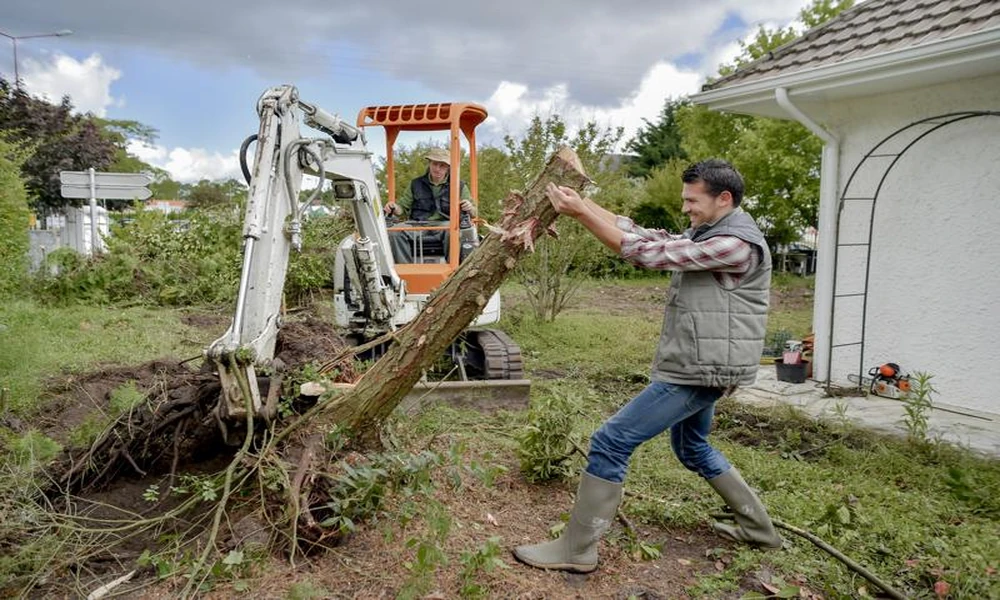
Nobody wakes up excited to cut down a tree. The decision usually arrives after a scary storm, a branch through the garage roof, or a long quiet argument over coffee. Then the practical questions start piling up, and tree removal in Portland turns out to involve more moving parts than most people expect. A local crew like NW Premier Tree Services is built for exactly that stretch, with a family owned team, 15 years of hands-on work, free estimates, a 10 percent discount for seniors and military, and someone who answers emergency calls at any hour. Whoever you hire, it helps to know the road ahead, so here it is in the order it actually unfolds.
The Walk Around That Decides Everything
The first real step is not a chainsaw. It is a person with a notepad walking your yard and looking at things you probably stopped noticing years ago. Species, height, spread and lean all matter, but so does everything underneath and beside the tree. Where does it fall if something goes wrong? What sits within reach, such as a roof, a fence, a shed or a power line? Can a truck and a chipper get close, or will every limb have to travel by hand?
Good estimators explain their reasoning out loud. If you hear why a tree is a problem, you can judge whether the diagnosis makes sense. Sometimes the honest answer is that the tree is fine and a little pruning will do. An estimator willing to say that is worth keeping on speed dial.
Permission Slips for Grown Trees
Here is the part that surprises people. In Portland, a private tree 12 inches or more across, measured about 4.5 feet above the ground, generally needs a permit before it comes down. The city may ask you to mark the tree with yellow tape at that height so reviewers know exactly which one you mean. Trees growing in the strip between sidewalk and curb are street trees, and they follow their own, stricter rules.
A few other details are worth knowing.
- Dead, dying or dangerous trees tend to move through a faster process than healthy ones.
- Larger trees can trigger a public notice step, so ask about timing early.
- Properties inside certain environmental overlay zones may face extra standards.
- If you have an HOA, its approval is separate from the city’s.
- In a true emergency, such as a tree leaning onto a house, removal of the hazard can usually go ahead first, with paperwork filed soon after. Confirm the filing window with the city.
The official procedures live in Portland’s tree permit code, and rules do get updated, so check before you schedule.
Ropes, Rigging and Gravity
Many people imagine a tree simply being sawn through and dropped. That works in an open field. In a typical Portland yard, with a fence on one side and a neighbor’s garage on the other, it almost never does.
Instead, a climber ties in near the top and works downward, taking the tree apart in sections. Each limb and trunk piece is lowered on ropes to a ground crew, who feed it to the chipper or stack the wood. Very large or awkwardly placed trees can call for a crane. It looks slow from the kitchen window, and it is meant to be, because slow means controlled.
On the day itself, a little preparation from you helps the crew work safely.
- Move vehicles out of the driveway and off the street frontage.
- Clear patio furniture, planters and toys from the work zone.
- Keep children and pets inside, away from windows facing the work.
- Mention buried sprinkler lines or drainage pipes before anyone starts.
- Settle ahead of time where you want the wood and chips to go.
What Ends Up on Your Lawn Afterward
When the tree is down, you are left with three leftovers, and each one deserves a decision.
First, the wood. Trunk rounds can become firewood, a rustic bench or a neighbor’s pile. Seasoned fir burns hot, while maple makes pleasant, steady heat. Second, the chips. Fresh wood chips are excellent mulch for beds and paths, and several local customers have happily kept theirs. Third, the stump. Grinding takes it a foot or so below the surface so you can plant grass or a new tree, though large roots may remain underground and slowly decay. If you plan to build something on the spot, tell the crew now, because stump removal and grinding are different jobs with different prices.
Reading the Quote Like an Arborist
Prices vary widely, and most published ranges differ from one source to the next. As a rough guide, small trees under about 30 feet can land in the low hundreds, mid sized trees often cost more than a thousand, and tall, hard to reach giants can run several thousand dollars. What pushes a figure up or down is fairly predictable.
- Height and canopy width.
- Access, meaning whether equipment can reach the tree.
- Proximity to buildings, fences and lines.
- Condition, since dead or decayed wood is riskier to climb.
- Whether cleanup, hauling and stump grinding are included.
- Permit fees and any emergency or after hours surcharge.
Timing matters too. Late winter and early spring are often the quietest months for crews, so scheduling can be easier and sometimes cheaper. Right after a big windstorm, everyone is booked and rates tend to climb.
Whatever number you receive, ask for it in writing, with the scope spelled out. Ask for proof of liability insurance and workers compensation, a contractor license number, and whether a certified arborist is on the crew. A cheap quote from an uninsured operator can become an expensive problem the moment a limb lands on the wrong roof.
Before You Say Yes, Say Maybe
Removal is permanent, so it is worth pausing to consider the middle options. A tree with a weak union can sometimes be cabled. A tree that is simply too big for its spot may respond well to a careful crown reduction. A limb over the roof can go without the whole tree following it. None of these are right every time, but a thoughtful arborist will walk through them before reaching for the saw.
If the tree does need to go, think about what comes next. Many homeowners are happy to replant, and choosing a species that suits the space, rather than a seedling that will outgrow it in thirty years, saves the next owner the same conversation. The empty patch of lawn does not have to stay empty for long, and the best removals are the ones that leave your yard safer, tidier and ready for whatever you plant in its place.